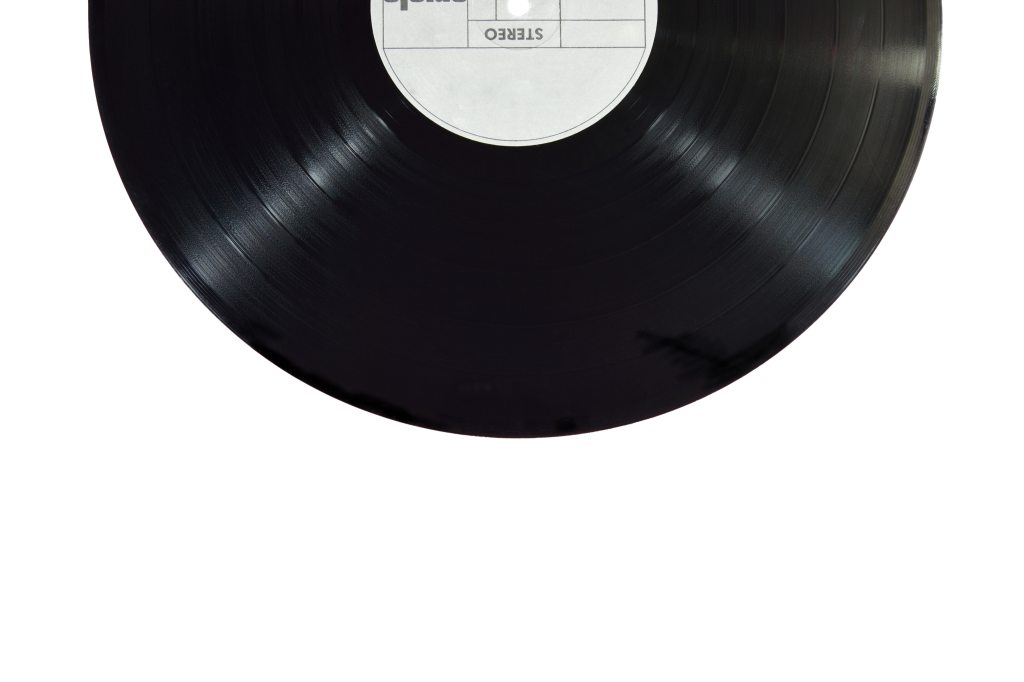
The goal of Exposure to appreciate and explore everything that music creates. I am aware that this a very broad topic of discussion; but I will do my best to analyze what makes up the music industry. In this post, I will be exploring the wide variety of music vehicles.
Mediums
Music can be bought and sold in a variety of forms. What medium you use shapes how and where you listen to your favorite music. There are many positive and negative aspects about each form; and some have long been out of fashion. What you buy depends on your budget and what’s aesthetically pleasing. I will be discussing what has been widely available for decades; but many of these forms have been made obsolete by time.
Cassettes
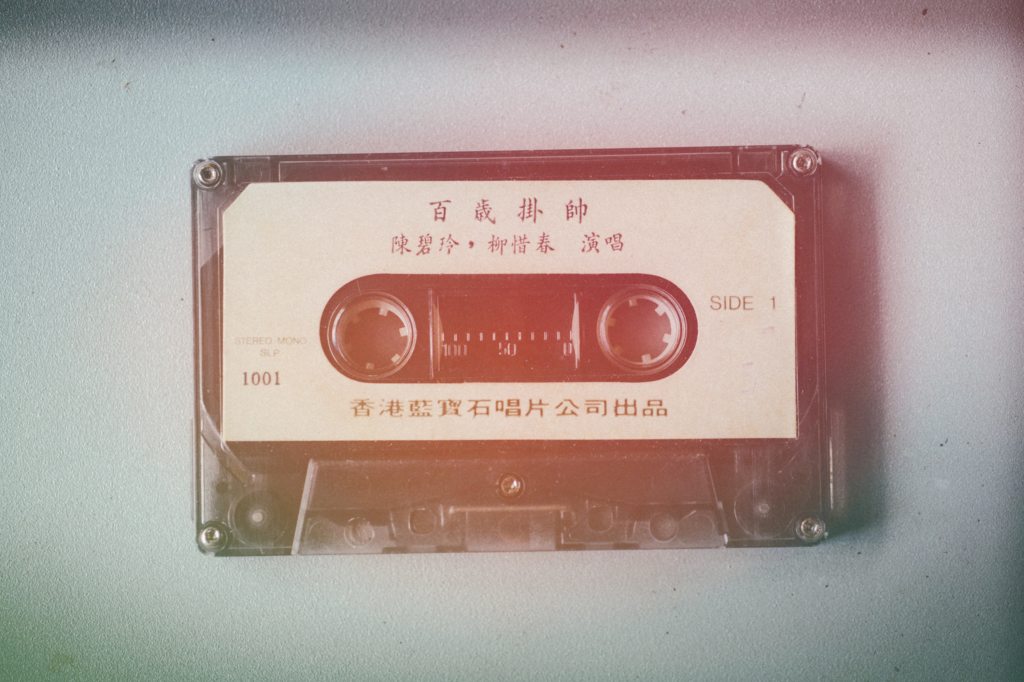
Cassette tapes are one the first forms of mobile music. First produced in 1963, the tapes were first used for voice recording for later listening. This was used along side with the first digital recorders. The fidelity of the music improved enough by the early 1970s that it became a commercial product. With the introduction of the Sony Walkman in 1979; it ensured the dominance of the cassette tape for years to come. For two decades cassettes maintained market leadership until better technologies made it obsolete. Today cassettes exist in the niche market of enthusiasts and nostalgia. Their sound quality pales in comparison to the many other mediums that exist today; and not too many originals survive. More information about cassettes can be found here.
Vinyl
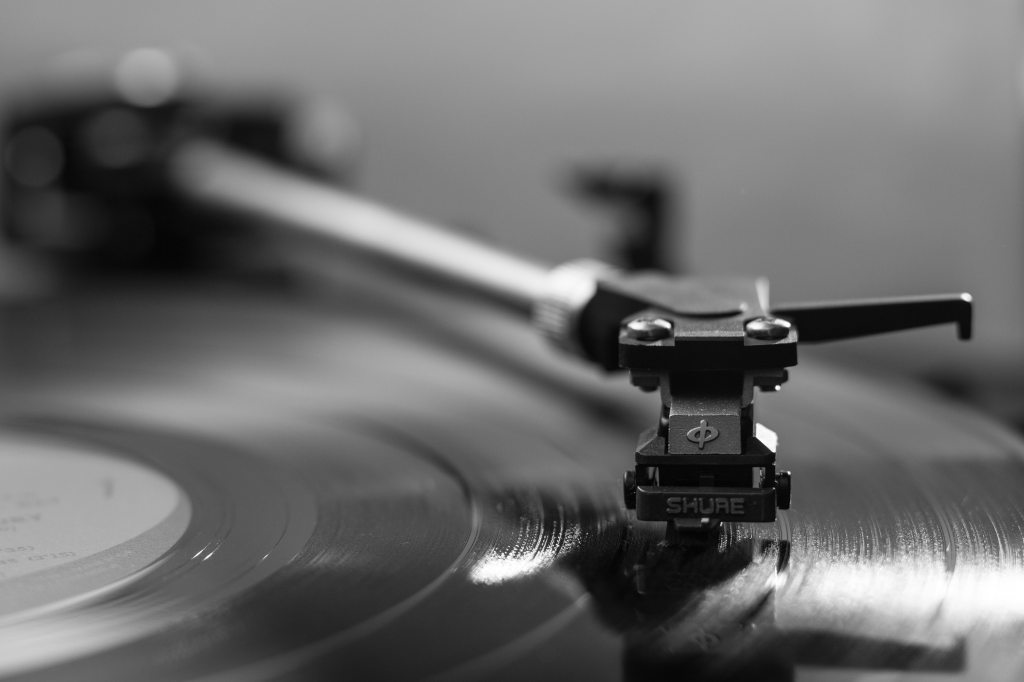
Vinyl recordings have a long history in music and popular culture. Also known as a phonographic record; it has been in use since the early 19th century for a wide variety of reasons. Early innovations created a large variety in sizes and weights of records. This in turn created a wide market for records which boomed for decades. Vinyl’s history is interesting, as its popularity has fallen and rose with the changing technology. Digital technologies made them obsolete to popular markets; and by 1991 it was considered nearly dead. Audiophiles kept the industry alive in small circles. There was a resurgence in popularity in the early 21st century as record stores regained power in the industry. Vinyl exists in the same market as cassettes, but their recent resurgence proves that they have staying power. Prices vary and quality can be inconsistent; but vinyl is a more resistant to change than any other music medium. More information about the history of vinyl can be here.
CD (Compact Disk)
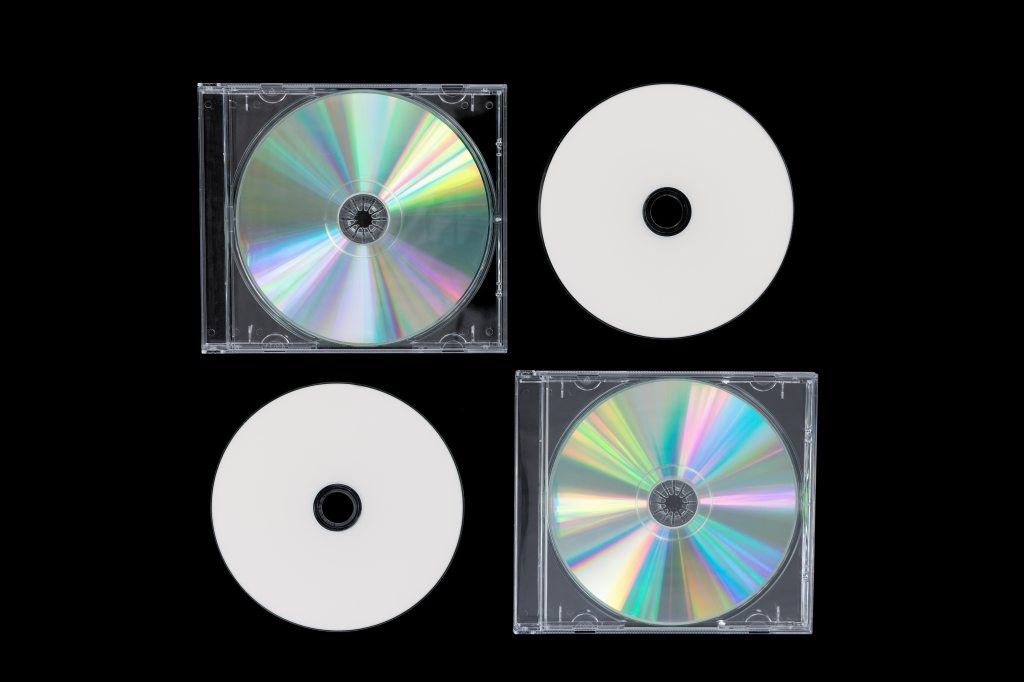
The original compact disk was created by Philips and Sony in 1982. This format was only meant for sound recordings; but several other formats were released in later years. The CD was a revolution for the music industry. It had a higher storage capacity than tapes and vinyl, with a sound quality that blew everything else out of the water. Of course as time has passed, technology has outpaced the abilities of regular CDs. For comparison, in 1982 a CD had more storage space than a modern computer. Sales for CDs have dropped in recent years, but they still serve as a primary source of income for the music industry. I would recommend CDs if you wanted to have physical copies of your music. A CD collection can be vast and cumbersome, but it ensures ownership of your music. The sound quality for most music is still fantastic, and you can use them in your home or on the go. For more information, check out this BBC article made for the 25th anniversary of the CD’s creation.

Streaming
By the end of the millennium, music streaming was taking its first big steps on its way to dominance. The rise and fall of Napster by 2001 signaled a shift of the industry towards the internet. iTunes was launched in 2003 and improved on Napster’s original idea, while making more money than anyone thought possible. Pandora, Spotify, Apple Music, SoundCloud YouTube Music and many more all compete today in a crowded market. Different pricing options exist for the quality you desire, and there are some free options with ads. For any casual music listener, streaming has become the gold standard. But it should be known that there are issues with the sound quality; and using free services limits the amount of money these artists can make. A more complete history of music streaming can be found here.
As this blog continues, I hope to provide more history and opinions about music history and current events. Check this page soon for the next update.
 Exposure
Thanks for providing this. It would also be cool to highlight the 8 track tape (https://www.npr.org/sections/therecord/2011/02/17/133692586/8-track-tapes-belong-in-a-museum). I understand your goal here was/is to provide how folks can access their favorite music, but I’m a fan of understanding all formats that have been provided to the consumer, including the Reel to Reel. Anything that increases the enjoyment of the music that was put together, whether via streaming or hi-fi players, once consumers begin to hear the difference, they won’t settle for mono of 8 ghz. That’s why companies such as McIntosh and MastersounD can and do well.
LikeLike